
 by
by 
Massage Therapy Styles: Essential Guide for Exploring Massage Options 30a
- July 16, 2026
- Health
In the quest for holistic health and overall well-being, massage therapy has proven to be a pivotal component of self-care…. Read More
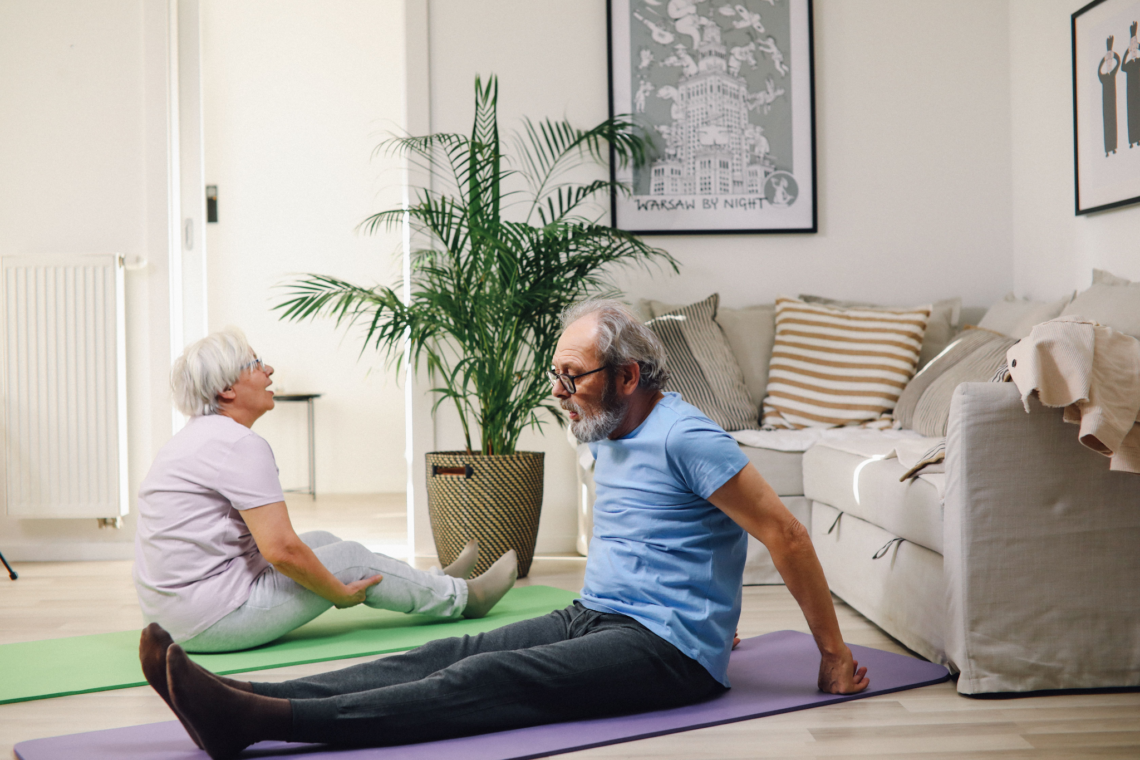
As people age, maintaining good health often requires a more proactive approach than it did during earlier stages of life. While many older adults continue to enjoy active and fulfilling lifestyles, the likelihood of developing chronic conditions and age-related health concerns increases over time. Regular healthcare visits provide an opportunity to monitor overall wellness, identify potential issues early, and create personalized plans that support long-term health.
Unfortunately, some seniors may postpone routine appointments if they feel healthy or do not experience noticeable symptoms. However, many medical conditions develop gradually and can progress without obvious warning signs. Routine health checkups serve as a valuable tool for prevention, detection, and management, helping older adults maintain independence and quality of life for as long as possible.
One of the most important reasons routine health checkups become increasingly valuable with age is the opportunity for early detection. Many common health conditions, including high blood pressure, diabetes, osteoporosis, and certain types of cancer, may initially present few or no symptoms. By the time symptoms become noticeable, treatment options may be more limited or complex.
Regular examinations allow healthcare providers to identify concerns before they become serious. Early intervention often leads to better treatment outcomes, fewer complications, and improved overall health. Detecting health issues at an earlier stage can also reduce the physical, emotional, and financial burden associated with advanced illness.
Cardiovascular disease remains one of the most common health concerns among older adults. Routine health screenings play an important role in identifying risk factors that may increase the likelihood of heart-related complications. Blood pressure checks, cholesterol screenings, and discussions about lifestyle habits can help healthcare providers assess cardiovascular health.
By identifying concerns early, individuals can take appropriate steps to improve heart health through medication, exercise, nutrition, or other interventions. Preventive strategies are often more effective when implemented before significant damage occurs. Regular visits provide an opportunity to stay informed about heart health and make proactive decisions that support wellness.
Medication management becomes increasingly important for older adults, especially those who take multiple prescriptions. As individuals age, their bodies may process medications differently, potentially increasing the risk of side effects or harmful interactions. Regular health appointments provide an opportunity for healthcare providers to review all medications and supplements being used.
Medication reviews can help identify unnecessary prescriptions, adjust dosages, and ensure treatments remain appropriate for current health needs. This process helps reduce risks while supporting better overall outcomes. Open communication about medications during routine appointments is an important component of safe healthcare management.
Health assessments may reveal needs that benefit from additional support services. In some situations, healthcare providers may recommend resources that help older adults maintain safety, comfort, and quality of life. These recommendations can range from physical therapy and nutritional counseling to specialized memory support services.
For families seeking environments that provide enhanced care for individuals experiencing cognitive challenges, options such as GLOW℠ Memory Care in Frederick, MD may offer supportive services designed to address evolving needs. Accessing appropriate resources at the right time can help individuals remain engaged and supported throughout the aging process.
Routine checkups help establish strong relationships between patients and healthcare providers. These ongoing connections allow physicians and care teams to gain a deeper understanding of an individual’s medical history, lifestyle, and personal health goals. Familiarity often leads to more personalized and effective care.
When trust exists between patients and healthcare professionals, communication becomes easier and more productive. Individuals may feel more comfortable discussing concerns, asking questions, and participating actively in healthcare decisions. These partnerships can play a valuable role in maintaining long-term wellness and independence.
As individuals grow older, routine health checkups become an increasingly important part of maintaining overall well-being. Regular appointments support early detection, chronic disease management, medication safety, preventive care, and cognitive health monitoring. These services help older adults address health concerns proactively while preserving their quality of life.
Rather than waiting for symptoms to appear, adopting a preventive approach to healthcare can lead to better outcomes and greater peace of mind. Consistent medical care empowers seniors to stay informed, make confident health decisions, and continue enjoying active and fulfilling lives as they age.



With a little bit of careful... Read More

Guwahati to Kolkata is a short... Read More

Analyzing the Latest Figures: Real Estate... Read More

Booking a bus online looks easy... Read More

Introduction Geographic boundaries no longer restrict... Read More

A fund linked to the NIFTY... Read More

Air travel is experiencing steady growth... Read More

Cloud applications move fast. Faster releases,... Read More

In the quest for holistic health... Read More

As people age, maintaining good health... Read More

There’s something truly magical about spending... Read More

Introduction Planning for your post-retirement life... Read More

For years, holidaymakers have faced a... Read More

Modern travelers are increasingly looking for... Read More

Char Dham Yatra by helicopter is... Read More

Travel should feel exciting, not stressful.... Read More

A Facebook downloader turns the social... Read More
