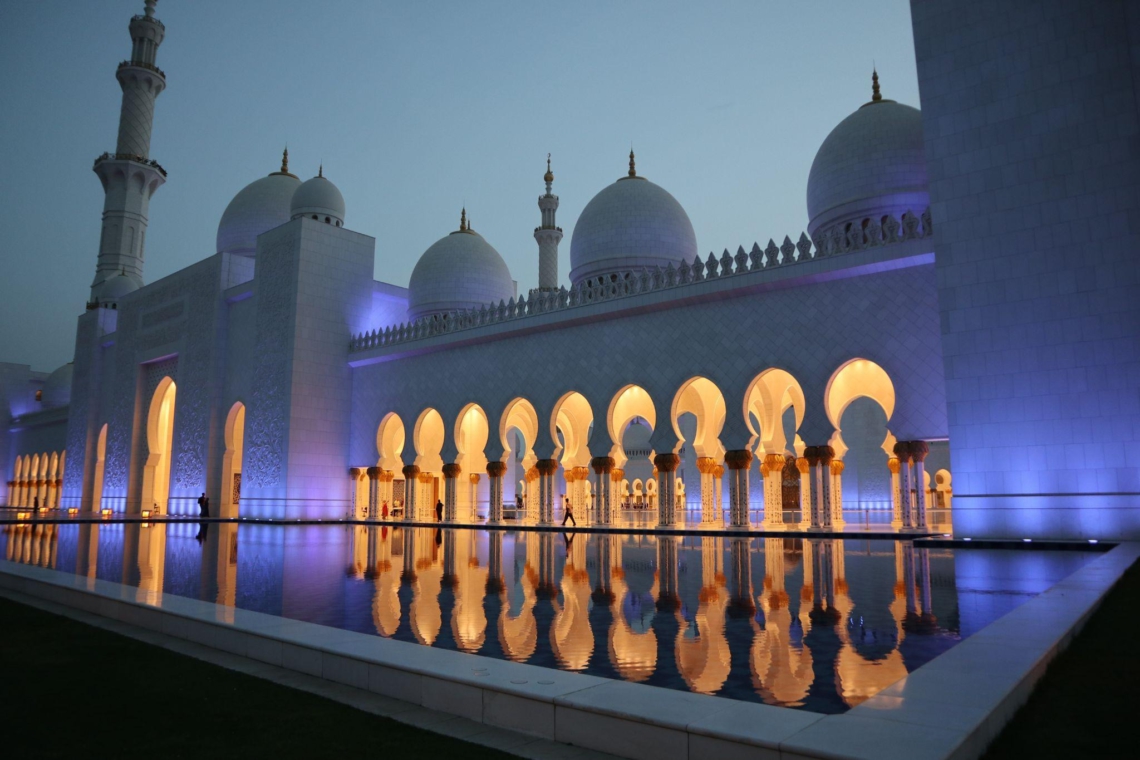
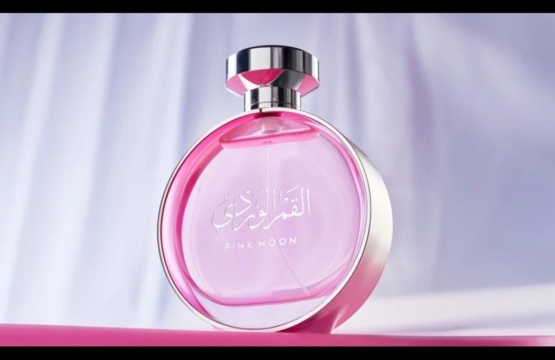
The fragrance industry has experienced a growing interest in Middle Eastern perfumery, with Arabic fragrances attracting attention for their distinctive ingredients, rich compositions, and cultural heritage. Once primarily associated with traditional regional markets, these perfumes have become increasingly popular among fragrance enthusiasts worldwide.
From luxurious oud-based creations to modern interpretations of floral and gourmand scents, Arabic perfumery offers an impressive variety of fragrances. Its growing international presence reflects an appreciation for unique scent profiles, sophisticated compositions, and the craftsmanship behind them.
The Heritage Behind Arabic Perfumery
Perfume has played an important role in Middle Eastern culture for centuries. Fragrances have traditionally been associated with hospitality, personal grooming, celebrations, and religious practices. Offering guests aromatic experiences and wearing perfume during important occasions remain meaningful customs in many communities.
Natural aromatic ingredients such as oud, rose, amber, musk, and frankincense have long been valued for their distinctive characteristics. These ingredients remain central to many contemporary Arabic fragrances, connecting modern creations with established perfumery traditions.
Oud, in particular, holds a special place in Middle Eastern fragrance culture. Derived from resinous agarwood, its deep, woody aroma provides a distinctive foundation for perfumes ranging from intensely smoky compositions to softer blends featuring floral and sweet notes.
This combination of traditional ingredients and contemporary creativity has helped Arabic perfumery develop a recognizable identity within the global fragrance industry.
Discovering Different Arabic Perfume Brands
One of the most appealing aspects of Middle Eastern perfumery is the diversity of fragrance houses and their individual approaches to scent creation.
Some manufacturers focus on traditional compositions built around oud, musk, and amber. Others experiment with modern combinations that incorporate vanilla, citrus, tropical fruits, and delicate floral accords.
Exploring different Arabic Perfume Brands allows fragrance enthusiasts to discover a wide range of styles, concentrations, and aromatic combinations. Each fragrance house may offer its own interpretation of classic ingredients, creating opportunities to find scents that suit different personalities and preferences.
The variety also makes Arabic perfumery accessible to people with different levels of fragrance experience. Those who prefer subtle everyday scents can explore lighter compositions, while enthusiasts seeking more pronounced fragrances may appreciate richer woody and spicy blends.
Established fragrance houses and emerging manufacturers contribute to this diversity by developing collections that combine traditional influences with contemporary trends. As a result, consumers can discover fragrances suitable for different occasions, seasons, and personal styles.
What Makes Middle Eastern Fragrances Distinctive?
Arabic perfumes are frequently associated with layered compositions and prominent base notes. Ingredients such as sandalwood, amber, vanilla, and oud can provide warmth and depth as the fragrance develops.
Many compositions are designed to evolve gradually, revealing different aromatic characteristics over time. A perfume might begin with fresh citrus or spicy saffron before transitioning into floral heart notes and eventually settling into a woody or musky base.
Concentration also influences the wearing experience. In addition to conventional perfume sprays, Middle Eastern fragrance traditions include concentrated perfume oils, which offer an alternative method of application.
These oils are typically applied in small amounts to pulse points, allowing the fragrance to develop close to the skin. Their characteristics depend on the formulation, and they can provide a different sensory experience from alcohol-based fragrances.
However, longevity and projection vary between individual products. The formulation, ingredient concentration, skin chemistry, and surrounding environment all influence fragrance performance.
Choosing Fragrances for Different Occasions
The diversity of Arabic perfumes makes them suitable for numerous occasions and personal styles.
For everyday wear, compositions featuring soft musk, fresh florals, or subtle woody notes can provide a pleasant fragrance without becoming overwhelming. Richer combinations of oud, amber, and spices may appeal to those seeking a more pronounced scent for evenings or special occasions.
Seasonal preferences can also influence fragrance selection. Fresh floral and citrus compositions are often associated with warmer weather, while deeper woody and gourmand fragrances can feel particularly inviting during colder months.
Fragrance enthusiasts may also experiment with layering different scents. Combining complementary fragrances can create a personalized aromatic profile, although applying small amounts initially helps maintain a balanced composition.
Nevertheless, fragrance remains highly personal. Testing a perfume on the skin and allowing it to develop is often the most useful way to understand its character.
The Future of Arabic Perfumery
As international interest in Middle Eastern fragrances continues to develop, Arabic perfume houses have opportunities to introduce their distinctive creations to new audiences.
Online fragrance retailers and international distribution channels have made it easier for consumers to explore collections that were previously less accessible outside their countries of origin.
Traditional ingredients remain important, but contemporary compositions demonstrate how established perfumery techniques can evolve alongside changing consumer preferences.
The combination of cultural heritage, aromatic diversity, and creative experimentation makes Arabic perfumery a fascinating category to explore.
Whether someone is discovering oud for the first time or expanding an established fragrance collection, Arabic perfume houses offer numerous possibilities for experiencing the artistry and individuality of Middle Eastern scents.

 by
by