
Music Analytics Tools Every Pro Should Know
- August 26, 2025
- entertainment
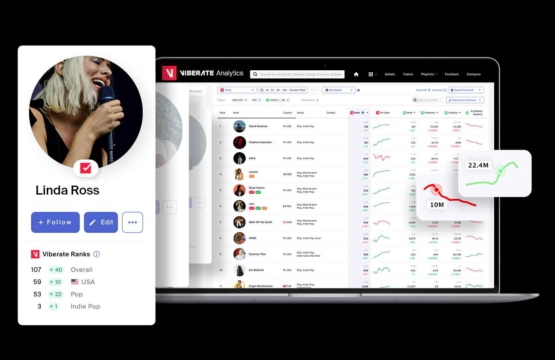
Streaming and social media have dramatically shifted how artists are discovered and how music professionals plan their strategies. Platforms like… Read More
 by sumit
Choosing a game gives a Twitch stream its setting, pace, and potential audience. However, a popular title does not automatically bring attention to a smaller channel. A useful starting point is finding games that support entertaining broadcasts, encourage conversation, and give viewers a reason to return. The strongest choice combines audience interest with the streamer’s ability to create something worth watching.
A game should offer more than enjoyable gameplay. It needs moments that can become interesting live content, such as difficult decisions, unexpected encounters, creative projects, or competitive matches. Replay value also matters. Games with varied challenges make it easier to develop recurring streams without repeating the same experience. Equally important is the opportunity to speak and chat. A demanding game may suit a skilled commentator, while a slower experience can leave more room for conversation.
Competitive games provide clear goals through ranked progression, tournaments, and skill improvement. A stream becomes more distinctive when the creator explains decisions, reviews mistakes, or attempts a specific challenge. However, a large audience can come with considerable competition. Smaller channels should examine whether viewers also watch broadcasts outside the biggest names.
Survival and building games offer ongoing stories. A settlement, difficult expedition, or ambitious construction project can stretch across several broadcasts. These formats also give chat something to influence. Viewers might suggest building ideas, choose the next destination, or help set restrictions for a challenge.
Horror games create suspense and spontaneous reactions. Cozy games support relaxed conversation, while indie titles can provide unusual mechanics and focused communities. Each category suits a different presentation style. A calm, conversational creator may find a simulation game easier to sustain than a fast competitive shooter.
Before committing to a game, examine its Twitch category during the hours planned for streaming. Look beyond the total audience and check how viewers are spread across channels. When considering real-time Twitch stream viewers, creators should distinguish audience numbers from meaningful participation. Chat activity, viewing duration, and repeat visits provide useful context for judging whether a game connects with an audience. Practical considerations matter too. Hardware performance, purchase costs, and familiarity with the game can affect the quality and consistency of broadcasts.
A recognizable concept makes gameplay easier to follow. Instead of an undefined session, a broadcast could focus on completing a difficult mission, building a themed world, or learning a new role. Commentary should explain what is happening and why it matters. New arrivals need enough context to understand the goal without having watched earlier streams. Suitable opportunities for participation, such as choosing the next challenge, can make viewers feel involved.
Several comparable sessions provide a better basis for decisions than one unusually successful broadcast. Creators can compare average viewers, active chatters, new followers, and returning audience members. Keeping similar schedules and stream lengths makes those comparisons more useful. A sustainable channel benefits from a core game or genre that audiences recognize, alongside occasional experiments. The right game supports both an enjoyable broadcast and an experience viewers want to revisit.
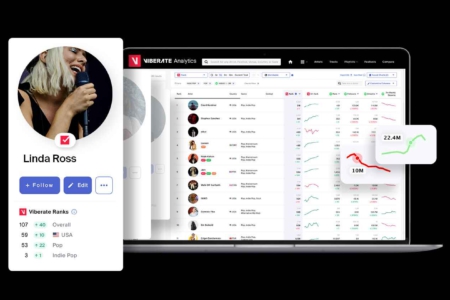
Streaming and social media have dramatically shifted how artists are discovered and how music professionals plan their strategies. Platforms like… Read More

Choosing a game gives a Twitch... Read More

The fragrance industry has experienced a... Read More

With a little bit of careful... Read More

Guwahati to Kolkata is a short... Read More

Analyzing the Latest Figures: Real Estate... Read More

Booking a bus online looks easy... Read More

Introduction Geographic boundaries no longer restrict... Read More

A fund linked to the NIFTY... Read More

Air travel is experiencing steady growth... Read More

Cloud applications move fast. Faster releases,... Read More

In the quest for holistic health... Read More

As people age, maintaining good health... Read More

There’s something truly magical about spending... Read More

Introduction Planning for your post-retirement life... Read More

For years, holidaymakers have faced a... Read More

Modern travelers are increasingly looking for... Read More

Char Dham Yatra by helicopter is... Read More