
 by
by 
Threads for Circular Fashion – Designing Apparel with End-of-Life in Mind
- March 5, 2026
- blog
Clothes have a limited life-span and a defined life cycle. One day each piece is repaired, resold, or recycled. Good… Read More
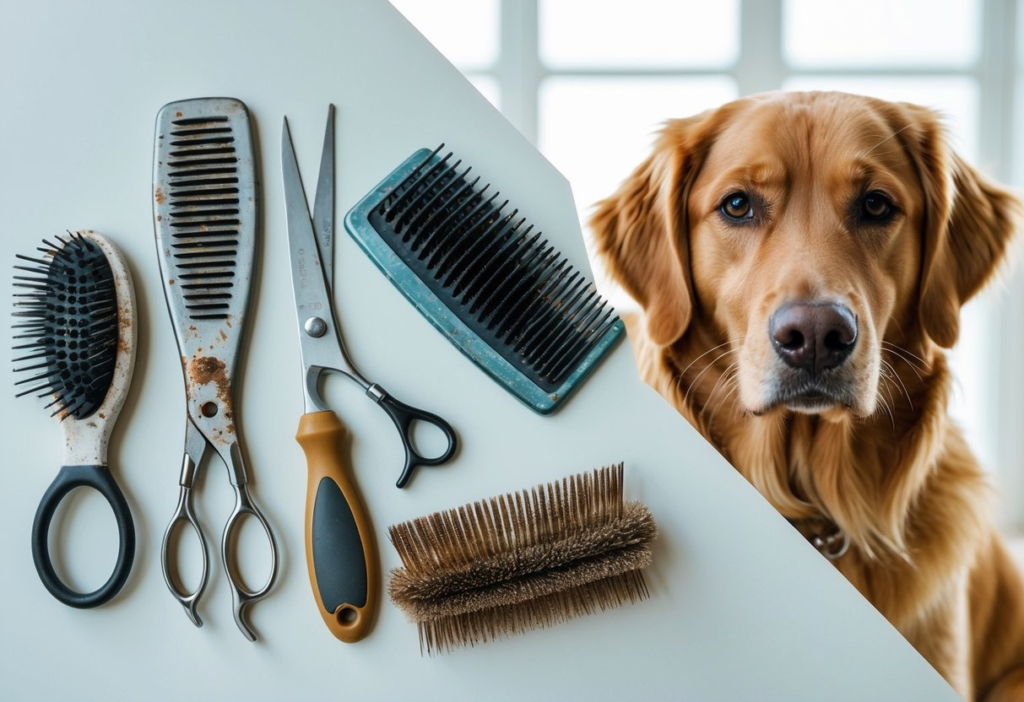
Grooming is an essential part of dog care, but not all tools are safe for every coat type. Many pet owners may unknowingly use grooming tools for dogs that can harm their dog’s coat, leading to skin irritation and a damaged appearance. Choosing the wrong grooming tool can result in breaking the hair shaft, thinning the coat, and disrupting the natural insulation that double-coated breeds rely on.
Grooming tools for dogs like the Furminator are often marketed as miraculous solutions for shedding, but they can cause more harm than good if used improperly. For double-coated dogs, aggressive brushing can lead to long-term damage, affecting both texture and health. Understanding the right grooming tools for dogs and techniques is crucial for maintaining a healthy coat without causing harm.
This blog post will explore common grooming tools for dogs that pose risks to a dog’s coat, helping owners make informed choices for their pets. By recognizing which tools to avoid, they can ensure their furry companions look and feel their best.
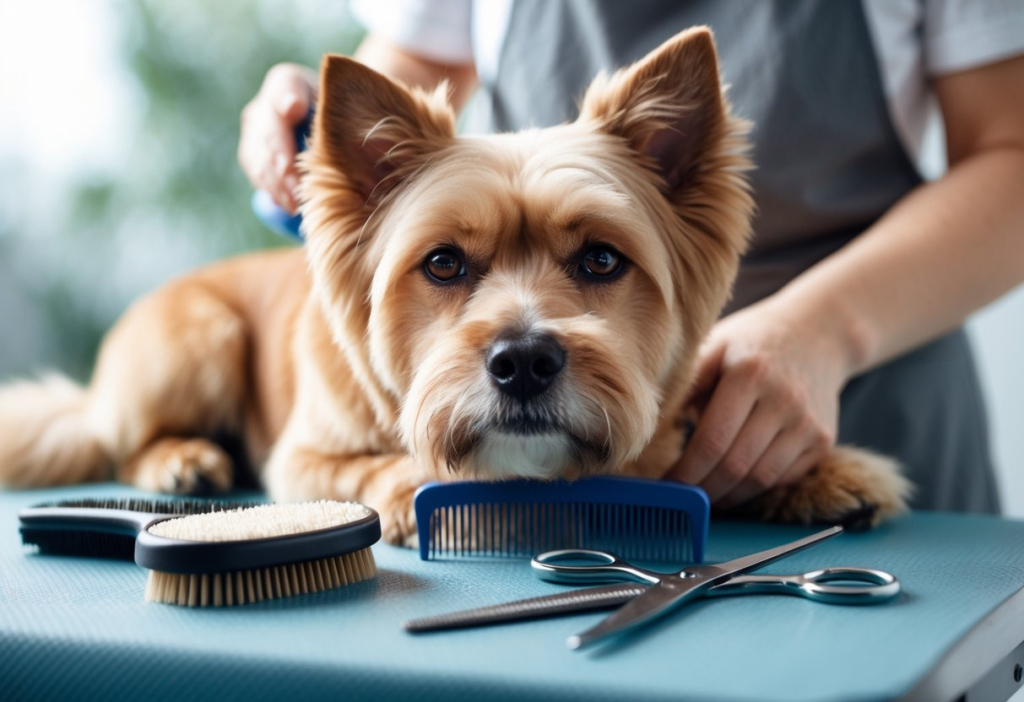
Using the wrong grooming tools can lead to significant damage to a dog’s coat. This can affect both the topcoat and undercoat, causing discomfort and long-term issues. It is essential to understand how improper tools can impact a dog’s fur health and the signs that indicate damage.
The topcoat and undercoat play an important role in a dog’s coat health. The topcoat protects the dog from environmental factors, while the undercoat provides insulation. Using inappropriate tools can break or pull the hair, causing it to become damaged or thin.
For example, using a slicker brush with sharp edges on a dog with a soft undercoat can lead to painful pulling. Similarly, employing metal brushes on breeds with sensitive skin may irritate them, creating discomfort. When the undercoat gets damaged, it can lead to seasonal shedding where the excessive loss of fur occurs, affecting both the dog’s appearance and insulation.
Long-term consequences of using incorrect grooming tools can be significant. A damaged coat can lead to skin problems such as irritation or infections. Constant tugging and pulling may weaken hair follicles, resulting in hair loss.
If a dog’s coat is not kept healthy, it can develop mats. Mats trap dirt and moisture, leading to further skin issues. This can be especially problematic for breeds with natural protective topcoats. Over time, a poorly maintained coat can alter its texture and prevent it from lying flat, resulting in a rough and unhealthy appearance.
To ensure a dog’s coat remains healthy, owners should look for specific signs of coat breakage and injury. Common indicators include:
Regular grooming checks are crucial. If a dog appears uncomfortable during grooming, it could signify that the tools used are damaging their coat. By observing these signs, owners can take action early to prevent further harm. Maintaining a dog’s coat is essential not just for aesthetics but also for the pet’s overall health and comfort.
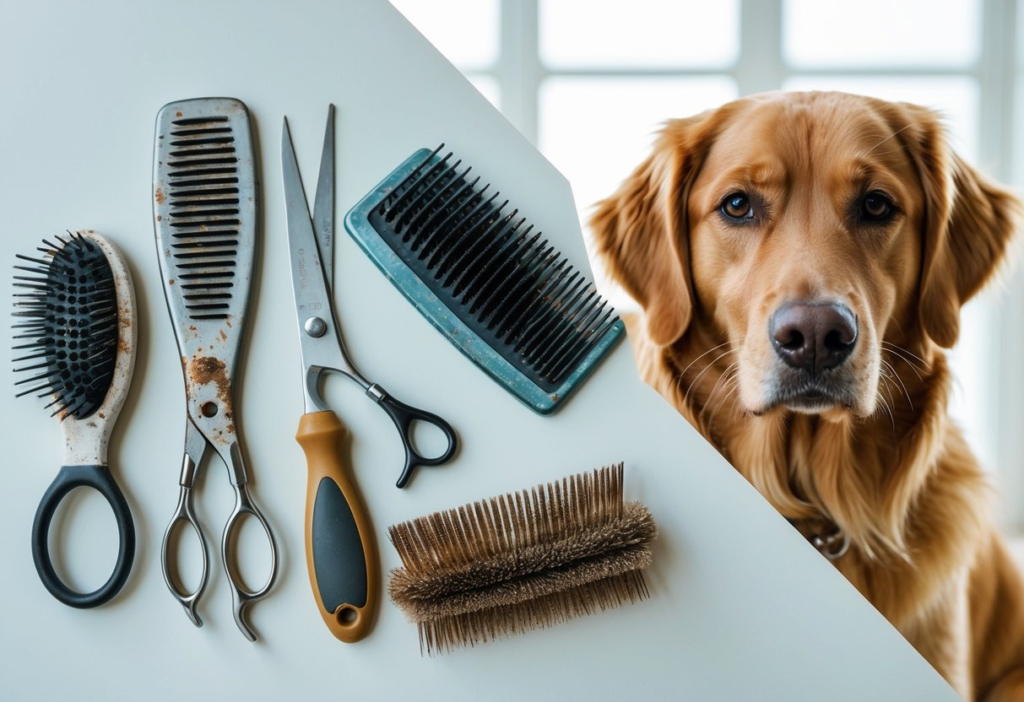
Certain grooming tools can harm a dog’s coat if not used properly. Knowing how each tool can affect a dog’s fur is essential for maintaining a healthy appearance and preventing long-term damage.
Deshedding tools, like the Furminator, are commonly used by pet owners seeking to reduce shedding. While these tools can effectively remove loose fur, they can lead to coat damage if used incorrectly if misused. The sharp edges of some deshedding tools can cut through hair shafts, causing breakage and uneven texture.
Moreover, aggressive use can thin the undercoat, which serves as insulation. This can further alter the coat’s natural shedding cycle. A suggested approach is to use these tools gently and with care, maximizing effectiveness while preserving the coat’s integrity. Regularly checking for skin irritation or coat thinning can help spot issues early on.
Slicker brushes are common tools for grooming, particularly for long-haired breeds. They can remove tangles and mats effectively, but they come with risks. If pressed too hard or used on wet hair, they can pull out healthy hair strands. This often causes discomfort and may lead to skin irritation.
Users should select a slicker brush that matches their dog’s coat type and density. Applying light pressure when brushing is crucial to avoid harm. Inspecting the brush for worn-out bristles is also essential, as damaged bristles can cause further injury to the hair and skin.
Shedding blades are designed to catch and remove loose fur, usually through a metal edge. When used correctly, they can help reduce shedding, but overuse poses a risk. Frequent use can strip away more than just unwanted fur; it may also damage the top layer of the coat.
This damage can result in thinning of the fur and a lack of protection against weather elements. Users should limit the frequency of shedding blade use and focus on their dog’s comfort. It’s recommended to follow up with a gentle grooming tool or conditioner to maintain coat health after using a shedding blade.
Mat splitters are effective for removing mats from a dog’s fur, but improper use can lead to coat damage. If used too aggressively, they can cut hair and cause patchiness. This tool requires careful handling to avoid pulling or breaking hair strands while working through knots.
To use a mat splitter properly, one should hold it at a slight angle and gently slide it through the mat. It’s also essential to ensure the dog is calm and comfortable during the process. Regular grooming with proper tools can help prevent mats, reducing the need for more aggressive techniques like splitters.
Grooming tools can vary in effectiveness based on a dog’s breed and coat type. This section highlights how certain breeds are more susceptible to damage from specific grooming tools and techniques.
Double-coated breeds, such as Huskies, Golden Retrievers, and German Shepherds, have a dense undercoat beneath a longer topcoat. Using the wrong tools on these dogs can cause more harm than good. For example, a grooming rake is effective for removing loose undercoat but can harm the topcoat if misused. Excessive pressure or using a rake too frequently can lead to bald patches and skin irritation. Owners should ensure that the undercoat is thoroughly brushed out before bathing; otherwise, trapped undercoat can lead to painful mats. Tools like slicker brushes should be used gently to avoid damaging the coat.
Long-haired breeds, such as Maltese and Afghan Hounds, require gentle grooming to prevent tangling and breakage. Improper use of grooming tools can lead to damage. For instance, using a slicker brush vigorously may result in pulled hair and broken strands, which detracts from the coat’s appearance. It is important to work through tangles gently, preferably using a wide-toothed comb first. Regular brushing helps maintain a healthy coat, but tools should be selected with care. Combining tools like a gentle detangling spray with appropriate combs can minimize breakage and enhance coat health.
Dogs with curly or wavy fur, like Poodles and Cockapoos, have unique grooming needs that can be easily damaged by the wrong tools. Grooming rakes can remove loose hair but may also change a curly coat’s natural pattern if used indiscriminately. A slicker brush is often recommended, but it must be used with a light hand to avoid damaging the hair texture. Moisturizing products and gentle brushes can help maintain the coat’s appearance. Regular grooming is necessary to prevent mats and tangles, but careful selection of tools is essential to ensure the coat remains healthy and vibrant.
Even safe grooming tools for dogs can become harmful when not used properly. It’s important for pet owners to recognize how specific practices can damage a dog’s coat and skin. Misuse can lead to discomfort and long-term issues for their furry friends.
Using too much pressure when brushing can lead to significant skin irritation. For instance, when a slicker brush is pressed down heavily on the skin, it can create painful spots or even bruising. Many dogs have sensitive skin, and they can react strongly to rough handling.
To avoid this, groomers should use gentle strokes and allow the brush to glide over the coat. A light touch is key, especially for dogs with fine or delicate fur. It’s also wise to monitor the dog’s reaction during grooming. If a dog shows signs of discomfort, such as pulling away or whining, it’s a sign to reduce pressure or switch to a softer grooming tool.
When grooming, neglecting to use detangling sprays or conditioners can lead to frustrating matting and pulling of the dog’s coat. These products help to loosen knots and make brushing easier. Without them, brushes can snag and tear at the hair, causing pain and possible skin damage.
For long-haired breeds, a good detangling spray can be crucial. Not only does it smooth the hair, but it also creates a protective layer that reduces friction. Dogs are often more cooperative when brushing sessions are easier and less painful. Therefore, applying a detangling product before grooming can effectively improve the comfort level for both the pet and the owner.
Metal combs and rakes, such as stainless steel options, are excellent for dogs with thick or wiry coats. However, if used too aggressively, they can cause serious harm. Sharp edges or points can scratch the skin or break healthy hairs, leading to a damaged coat.
To ensure safety, it is essential to use these tools with care. A wide-tooth comb is ideal for initial detangling, as it can gently work through mats without tugging hard on the hair. For stubborn tangles, a rake should be used delicately with slow, careful motions. This not only protects the skin but also keeps the coat healthy and intact. Knowing when and how to use these tools effectively can enhance the grooming experience without causing pain or damage.
Using the right tools and techniques is vital for safe and effective dog grooming. Taking care to choose appropriate tools based on coat type and maintenance is key to preventing damage. Knowing how to reduce shedding and maintain grooming tools also contributes to a healthy grooming experience.
Selecting the right grooming tools for dogs starts with understanding a dog’s coat type. Short-haired dogs often benefit from tools like bristle brushes or rubber brushes. These can help remove loose hairs and dirt without irritating the skin. For medium-haired breeds, a pin brush works well as it can penetrate the coat and prevent tangles.
Long-haired dogs may require a grooming rake or a curry brush to manage tangles and mats effectively. A rubber curry brush can be used during bathing to loosen dirt and dead hair, making it easier to clean while reducing coat damage. Understanding specific needs ensures that each dog gets the proper care while maintaining a healthy coat.
Reducing shedding is crucial for keeping the dog and home clean. Regular brushing can significantly help manage shedding; however, it’s important to use the right techniques. For most dogs, grooming should occur at least once a week.
A grooming glove or rubber grooming mitt can be particularly gentle on the skin and help collect loose hair easily. When brushing, it’s best to work in sections, starting from the base of the hair and moving outwards. This approach prevents tugging and minimizes discomfort. Using a grooming rake also allows for deeper penetration without harming the dog’s coat or skin.
Regular bathing with a suitable dog shampoo can also reduce excess shedding. Keeping the coat clean and healthy helps maintain a balanced shedding schedule.
Proper care for grooming tools is essential to avoid inflicting damage on a dog’s coat. Brushes should be cleaned frequently to remove hair and debris that can lead to breakage. If a brush or tool has sharp edges or worn-out bristles, it should be replaced immediately to prevent injury.
A pin brush with broken pins can snag on hair and cause damage, while a grooming rake with bent teeth can lead to painful grooming sessions. It’s advisable to inspect tools regularly and store them in a dry place to prevent rust or damage.
When using any tool, ensure it is appropriate for the specific coat. Familiarity with each tool’s purpose helps maintain healthy grooming practices and prevent harm to the dog’s coat.
Certain grooming tools, while essential for maintaining a dog’s health and appearance, can also lead to unwanted damage if not used properly. It is important for pet owners to understand how to use these tools to avoid harming their dog’s coat or skin.
Nail clippers are vital for keeping a dog’s nails at a manageable length, but they can pose risks. When using clippers, there is a chance of accidentally cutting too close to the skin, especially in dogs with dark nails where the quick is hard to see. This can cause pain and bleeding.
To minimize accidents, pet owners should consider:
Proper technique and caution while clipping nails can help prevent unintentional coat damage through movements that might pull fur or skin.
Ear cleaning is essential for preventing infections, but using the wrong solutions or methods can harm the skin. Many ear cleaning solutions contain alcohol or harsh chemicals that can irritate sensitive skin inside the ear, especially if improper grooming tools for dogs are used.
To protect a dog’s skin during ear cleaning, consider:
Using Gentle Products: Look for solutions specifically designed for pets. These should be mild, often containing natural ingredients like aloe or witch hazel, and used alongside safe grooming tools for dogs.
Avoiding Excess Liquid: Applying too much solution can lead to dripping into the ear fur, increasing the risk of irritation and matting when combined with unsuitable grooming tools for dogs.
Wiping Gently: Use a soft cotton ball or pad to clean. Avoid inserting anything deep into the ear canal to prevent injury, and always choose appropriate grooming tools for dogs for this task.
By using caution when cleaning ears and selecting the right grooming tools for dogs, owners can keep their pets healthy without risking coat and skin damage.


Grooming is an essential part of... Read More
In 2026, there will be a... Read More

Singapore is known for its skyline,... Read More

You know the feeling: you finally... Read More

Clothes have a limited life-span and... Read More

Clothes meet water many times. Home... Read More

Have you ever thought of the... Read More

You found a car that looks... Read More

In the symphony of components that... Read More

That video you saved to favorites... Read More

Posts vanish. Accounts go private. Live... Read More

Introduction: Bright Skin Is Not an... Read More

TL;DR Online MBAs from UGC-approved Indian... Read More

For Indian equity traders and investors,... Read More

If you’ve recently opened a bank... Read More

The world of digital payments is... Read More

Fixed Deposits have always been a... Read More