
 by

When Insurance Fails: Holding Agents Legally Accountable
- July 15, 2025
- Insurance
Almost every state requires people to maintain insurance coverage on their vehicles. New Hampshire is the one exception to the… Read More

Yes, a travel insurance policy can account for more than one pre-existing medical condition, but whether it covers treatment for those conditions depends on the insurer and the policy terms. Some plans provide limited cover for serious emergencies linked to declared illnesses, while others require additional cover or do not include such treatment.
The essential fact is that declaring diabetes, high blood pressure or another condition does not automatically make every related medical expense eligible for a claim.
A traveller may have several long-term conditions and still purchase a single travel insurance policy. However, each existing illness needs to be disclosed as requested by the insurer. The decision about medical cover may differ depending on the condition, its treatment history and the available policy benefits.
For example, someone managing both diabetes and a heart condition should not assume that accepting their application means emergencies related to both illnesses will be covered. The policy wording and any written confirmation from the insurer matter more than the number of conditions listed.
Insurers may review medical information before deciding the terms of cover. This is particularly important for travellers who take regular medicines or have received recent treatment.
An insurer may ask whether your conditions are stable, whether you have been hospitalised recently and whether your doctor has changed your medication. Answers should reflect your actual medical history, not just how well you feel before departure.
Destination and trip duration also affect the policy you choose. An Indian traveller arranging UAE travel insurance for a Dubai trip should check emergency medical benefits alongside the rules for declared illnesses. The destination alone does not establish whether an existing condition is covered.
The distinction between an emergency and ongoing treatment is central to understanding these policies.
Some travel insurance plans provide limited cover when a declared condition leads to a life-threatening emergency abroad.
This could involve urgent hospital treatment, subject to the policy’s definition of an emergency, applicable limits and other conditions. Such cover should never be assumed without checking the documents.
Routine consultations, planned procedures and repeat prescriptions are generally treated differently from emergency care.
Travellers who need medicines every day should carry an appropriate supply and supporting prescriptions, while following the destination’s rules on bringing medication into the country.
An emergency may be connected to more than one illness. For instance, a person with diabetes and heart disease may experience symptoms that require urgent medical assessment.
The insurer will consider the medical records and policy terms when deciding whether the treatment qualifies. It is useful to ask how overlapping conditions are handled before travelling.
Rather than relying on a general statement about existing illnesses, request clear answers for your own medical history:
Keep the insurer’s responses with your policy documents. A written explanation makes it easier to understand your cover fully.
Seek medical attention immediately when symptoms require urgent care. Contact the insurer’s assistance team promptly and follow its claim notification instructions.
Keep hospital reports, test results, prescriptions and payment receipts. If the hospital offers direct billing, confirm whether the insurer has authorised it rather than assuming the entire bill will be settled.
One travel insurance policy can be suitable for a traveller with several existing medical conditions, but the extent of protection is not decided by the policy’s name. What matters is which illnesses have been declared, which emergencies are eligible and what limits apply.
Review these details before departure and ask for clarification where the wording is unclear. This gives you a clearer understanding of the cover available during your journey.


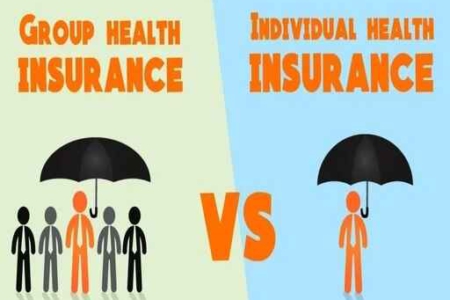
Health insurance protects individuals and families against medical expenses arising during emergencies. Unsurprisingly, we are all prone to health… Read More

Yes, a travel insurance policy can... Read More

High-altitude trekking is an unforgettable experience,... Read More

Planning for your life post-retirement is... Read More
Soft voices mix with the sound... Read More

Choosing a game gives a Twitch... Read More

The fragrance industry has experienced a... Read More

With a little bit of careful... Read More

Guwahati to Kolkata is a short... Read More

Analyzing the Latest Figures: Real Estate... Read More

Booking a bus online looks easy... Read More

Introduction Geographic boundaries no longer restrict... Read More

A fund linked to the NIFTY... Read More

Air travel is experiencing steady growth... Read More

Cloud applications move fast. Faster releases,... Read More

In the quest for holistic health... Read More

As people age, maintaining good health... Read More

There’s something truly magical about spending... Read More