High-altitude trekking is an unforgettable experience, offering breathtaking mountain views, challenging trails, and the opportunity to explore some of the most beautiful landscapes in the world. However, trekking at higher elevations also exposes your body to changing weather conditions, strong winds, cold temperatures, and intense sunlight. Unlike regular hiking, high-altitude trekking requires careful clothing choices to keep you comfortable, protected, and prepared throughout the journey. Wearing the right clothes is not just about staying warm; it is also about protecting your skin, maintaining body temperature, and allowing easy movement on challenging terrain.
One of the biggest challenges at high altitudes is increased exposure to ultraviolet (UV) radiation, which can affect your skin and eyes even on cloudy days. Carrying reliable sun protection, including gokyo sunglasses, can help protect your eyes from intense sunlight and glare, particularly when trekking across snow-covered trails. Along with proper UV protection, choosing breathable clothing and following a suitable layering system can make a significant difference to your trekking experience. Understanding what to wear before starting your journey will help you stay prepared for changing mountain conditions.
1. Understand the Importance of Layering
Weather conditions in high-altitude regions can change rapidly. A sunny morning can quickly turn into a cold, windy afternoon, making it important to wear clothing that can be adjusted according to the weather.
The layering system is one of the most effective ways to manage body temperature during a trek. Instead of wearing one thick jacket, you should combine multiple clothing layers that serve different purposes.
A typical layering system includes:
- Base layer: Manages sweat and keeps your skin relatively dry.
- Mid layer: Provides insulation and retains body heat.
- Outer layer: Protects against wind, rain, and snow.
This approach allows you to add or remove layers depending on your activity level and surrounding conditions. It also prevents excessive sweating during climbs and helps you stay warm during rest breaks.
2. Choose the Right Base Layer
The base layer is the first layer of clothing worn directly against your skin. Its primary purpose is to manage moisture by drawing sweat away from your body.
During high-altitude trekking, your body generates heat while climbing, even when the surrounding temperature is low. If sweat remains trapped against your skin, it can make you feel cold once you stop moving.
Look for base layers made from:
- Merino wool: Offers insulation, moisture management, and natural odour resistance.
- Synthetic fabrics: Polyester and other technical materials dry quickly and are suitable for active trekking.
- Lightweight thermal fabrics: Provide additional warmth in colder conditions.
Avoid regular cotton T-shirts as base layers. Cotton absorbs moisture and dries slowly, which can become uncomfortable in cold mountain environments.
A lightweight, breathable base layer is generally suitable for active trekking, while thermal innerwear may be necessary during colder conditions.
3. Select Breathable and Comfortable Trekking Shirts
Your trekking shirt plays an important role in maintaining comfort throughout the journey. A good trekking shirt should allow airflow, manage sweat, and provide enough flexibility for climbing, walking, and other outdoor activities.
When exploring options such as reccy shirts, pay attention to fabric quality, breathability, fit, and moisture-wicking properties. These features are particularly useful when trekking for several hours under changing weather conditions.
Consider the following features when choosing a trekking shirt:
- Quick-drying fabric to manage sweat.
- Lightweight construction for comfortable movement.
- Breathable material to improve ventilation.
- Comfortable fitting that allows layering.
- Full sleeves for additional sun protection.
Full-sleeve trekking shirts can be especially useful in exposed mountain regions where direct sunlight is strong. They provide an additional physical barrier against UV exposure while protecting your arms from wind and minor scratches.
4. Wear a Suitable Mid Layer for Insulation
The mid layer is responsible for retaining body heat. It helps maintain a comfortable temperature when the weather becomes cold, particularly during early mornings, evenings, and rest breaks.
Fleece jackets, lightweight insulated jackets, and wool-based layers are popular choices for trekking.
Here are some common options:
Fleece jackets: These are lightweight, breathable, and comfortable. They provide insulation while allowing moisture to escape.
Synthetic insulated jackets: These offer warmth and can retain some insulating properties even when exposed to moisture.
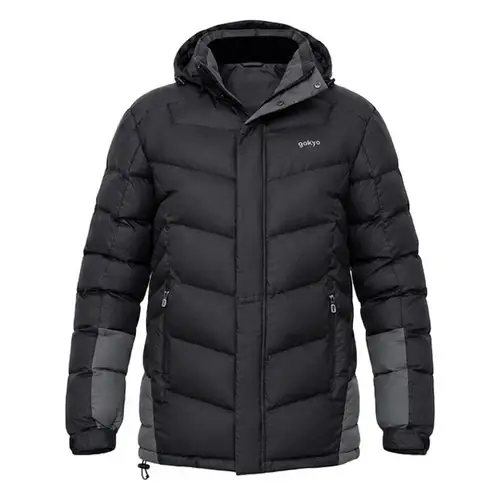
Down jackets: These provide an excellent warmth-to-weight ratio, making them useful for cold and high-altitude conditions. However, down insulation can lose its effectiveness when wet, so proper weather protection is important.
Your choice of mid layer should depend on the altitude, season, expected temperatures, and intensity of your trek. For colder Himalayan routes, carrying an additional insulated jacket can be useful even if you do not need it while actively climbing.
5. Invest in a Windproof and Waterproof Outer Layer
The outer layer acts as your primary protection against external weather conditions. At high altitudes, strong winds, unexpected rain, and snowfall can make trekking uncomfortable and potentially dangerous.
A good outer shell should ideally offer:
- Wind resistance to reduce heat loss.
- Waterproof protection against rain and snow.
- Breathability to release excess body heat.
- Adjustable cuffs and hood for better coverage.
- Lightweight construction for easy packing.
A waterproof jacket with a breathable membrane is a practical choice for Himalayan trekking. It helps prevent external moisture from entering while allowing internal moisture vapour to escape.
Remember that a windproof jacket and a fully waterproof jacket are not always the same. Check the product specifications before purchasing, especially if you are preparing for a trek during the monsoon or winter season.
6. Protect Your Eyes with Proper UV-Protection Sunglasses
UV protection is one of the most important aspects of high-altitude trekking. As elevation increases, atmospheric protection against UV radiation decreases, resulting in greater exposure to harmful ultraviolet rays.
Snow-covered landscapes create an additional challenge because snow reflects sunlight, increasing glare and potentially causing snow blindness, also known as photokeratitis.
To protect your eyes, choose sunglasses with the following features:
- 100% UVA and UVB protection: Helps protect your eyes against harmful ultraviolet radiation.
- UV400 rating: Indicates protection against ultraviolet rays up to 400 nanometres.
- Wraparound design: Helps reduce sunlight entering from the sides.
- Polarised lenses: Reduce reflected glare, although polarisation is not a substitute for UV protection.
- Category 3 or 4 lenses: Suitable options depending on sunlight intensity and snow conditions.
Category 4 sunglasses are designed for extremely bright conditions, including snow-covered high-altitude environments. However, they are not suitable for driving.
Always check the manufacturer’s UV-protection specifications rather than judging sunglasses by how dark their lenses appear.
7. Choose the Right Trekking Pants
Your lower body also needs proper protection during high-altitude trekking. Regular jeans and heavy cotton trousers are generally unsuitable because they restrict movement and take longer to dry.
Instead, choose trekking pants made from lightweight, stretchable, and quick-drying materials.
Look for these features:
- Stretchable fabric for climbing and walking.
- Quick-drying properties.
- Breathable construction.
- Comfortable waistband.
- Multiple pockets for small essentials.
- Water-resistant finish for light moisture protection.
Convertible trekking pants can also be useful because they allow you to adjust coverage according to the temperature.
For colder treks, consider thermal leggings or an additional insulating layer underneath your trekking trousers.
8. Do Not Ignore Your Head, Hands, and Feet
Even with the right jacket and trekking pants, you can lose comfort quickly if your head, hands, and feet are not properly protected.
These accessories are essential for high-altitude trekking:
Head protection: Carry a sun cap or wide-brimmed hat for daytime trekking. A warm beanie or woollen cap is useful during cold mornings and evenings.
Gloves: Lightweight gloves are suitable for moderate conditions, while insulated waterproof gloves provide better protection in freezing temperatures.
Trekking socks: Choose moisture-wicking socks made from merino wool or synthetic materials. Avoid wearing cotton socks during long treks.
Trekking shoes: Select well-fitted trekking shoes with good grip, ankle support where appropriate, and suitable protection for the terrain.
Neck gaiter: A neck gaiter or buff can protect your neck and face from sunlight, dust, and cold winds.
Pay particular attention to footwear because blisters and uncomfortable shoes can make even a relatively easy trek difficult.
9. Apply Sun Protection Beyond Clothing
Clothing and sunglasses provide important protection, but they should be combined with other sun-protection measures.
High-altitude sunlight can cause sunburn even when temperatures are low. Therefore, include the following essentials in your trekking kit:
- Broad-spectrum sunscreen with SPF 30 or higher.
- SPF lip balm to protect your lips.
- A sun cap or hat.
- UV-protection sunglasses.
- Full-sleeve clothing.
- Neck protection.
Apply sunscreen to exposed areas such as your face, ears, neck, and hands. Reapply it approximately every two hours, or more frequently after heavy sweating, as directed by the product instructions.
Do not skip sunscreen on cloudy days because UV radiation can still reach your skin through cloud cover.
10. Prepare Your Clothing According to the Trek
Not every high-altitude trek requires the same clothing combination. Your packing list should depend on the season, altitude, expected weather, trek duration, and availability of accommodation.
For example, a summer Himalayan trek may require lightweight breathable clothing, a fleece jacket, and a waterproof shell. A winter trek may require additional thermal layers, an insulated down jacket, waterproof gloves, and warmer trekking socks.
Before leaving, check the weather forecast and consult your trekking operator for specific clothing recommendations.
It is also a good idea to carry an extra base layer and socks in case your clothes become wet. Keep essential warm clothing easily accessible in your backpack rather than packing everything at the bottom.
Final Thoughts
Preparing the right clothing for a high-altitude trek is essential for comfort, safety, and overall performance. A well-planned layering system helps regulate body temperature, while breathable fabrics keep you comfortable during long climbs. At the same time, proper sunglasses, sunscreen, and protective clothing reduce exposure to intense mountain sunlight.
Before purchasing your trekking essentials, consider the altitude, weather conditions, and difficulty of your planned route. Explore reliable outdoor gear options through platforms such as OutdoorGoats to compare trekking clothing and accessories suited to your requirements.
Remember, successful high-altitude trekking is not about carrying the most expensive equipment. It is about choosing practical, comfortable, and weather-appropriate gear. With the right preparation, you can focus on enjoying the mountain trails while staying protected throughout your adventure.

 by